

Faucets: Details That Define the Style of a Space
In interior design, it is not always the large elements that make the greatest impact. Sometimes, a small detail—such as the color, form, or material of faucets—can transform the overall identity of a kitchen or bathroom. Modern faucets are more than just functional fixtures; they are an integral part of the space’s design language. Just as the right watch, bag, or accessory can complete one’s personal style, selecting the right faucets can lend character to an interior space.
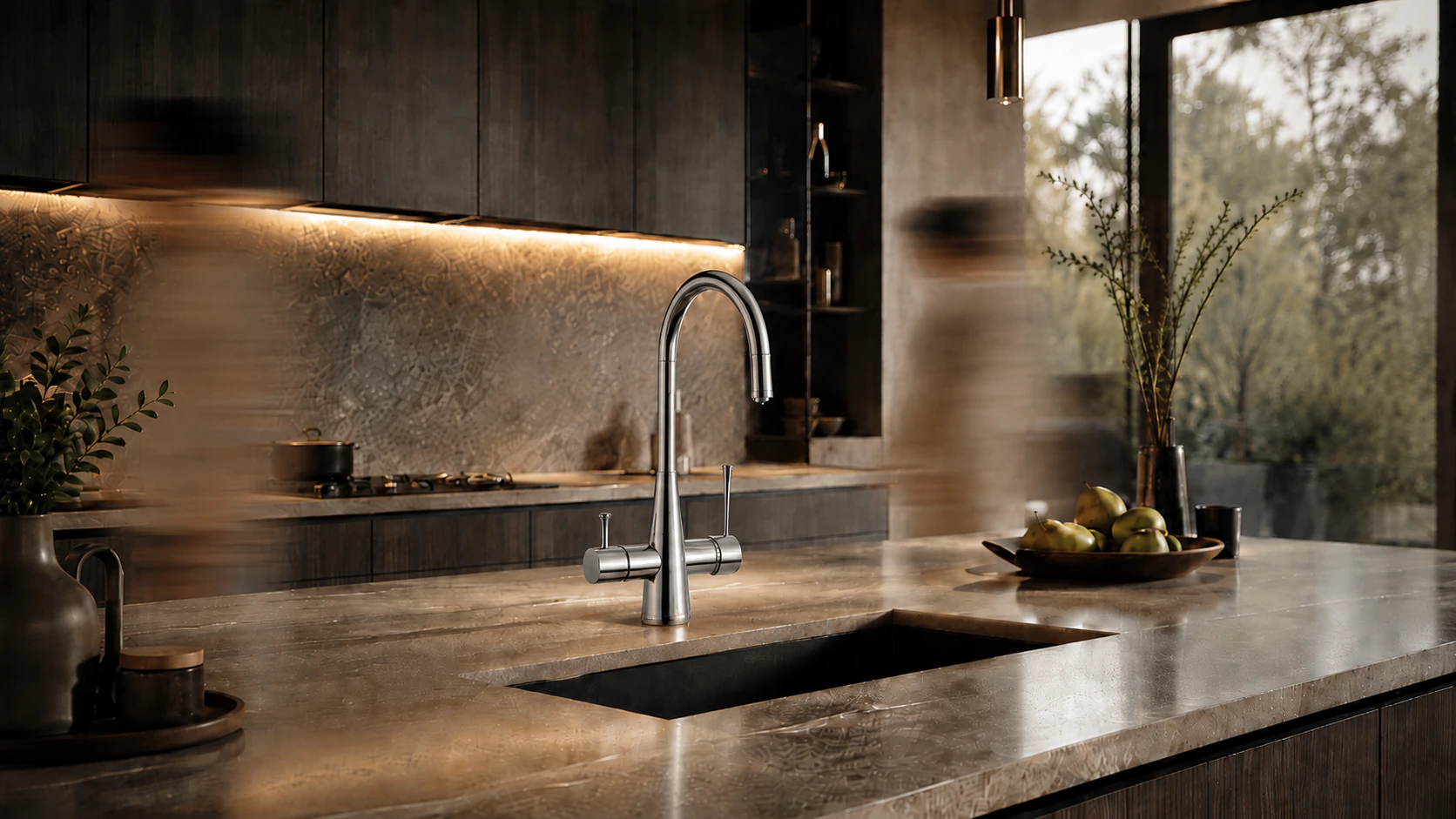
Choosing a color that complements the style of the space is key. Black faucets, for instance, are an excellent choice for modern, minimalist, or industrial interiors. They create a striking contrast when paired with light-colored stone, natural wood, or simple, unadorned surfaces.
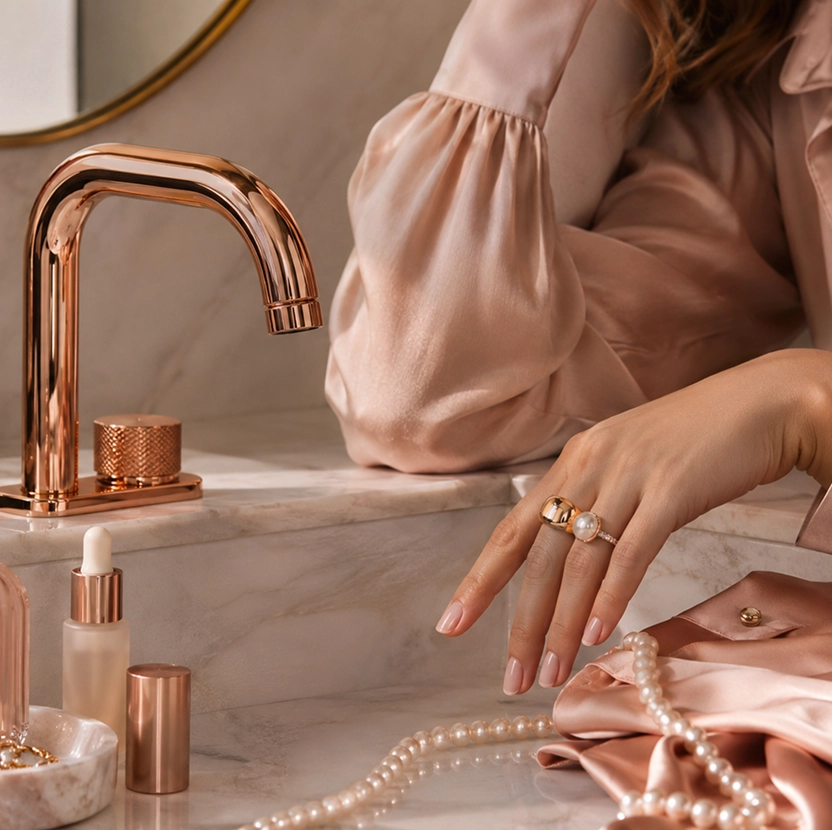
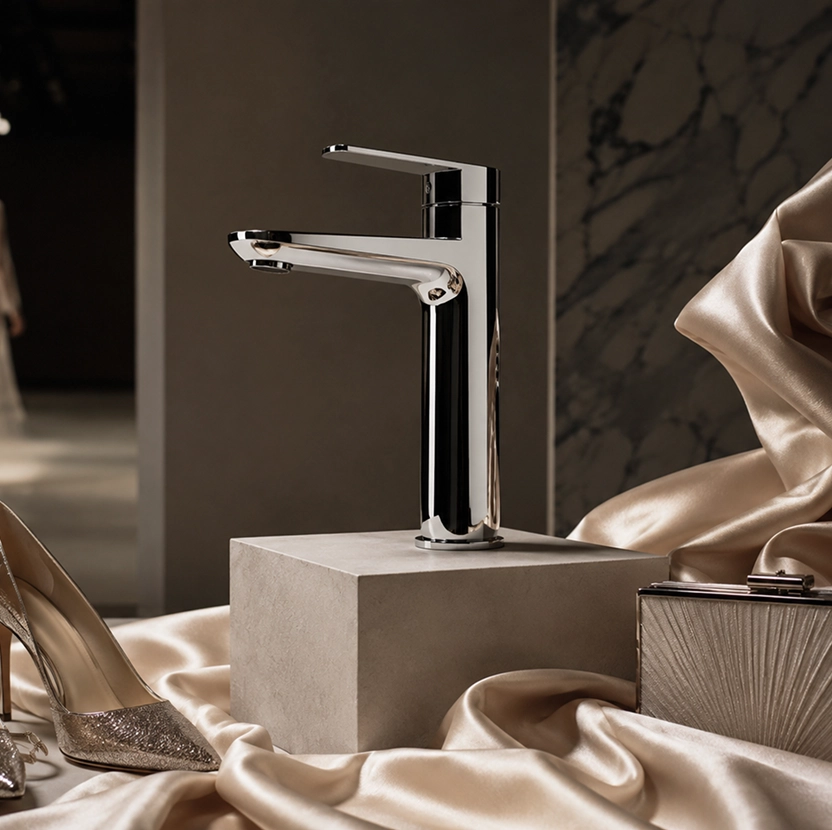
Gold and brass finishes are typically found in luxurious, warm-toned settings. When combined with marble, cream hues, and wooden accents, these tones evoke an air of elegance and opulence. Meanwhile, chrome faucets remain a popular and enduring choice; their glossy finish, versatility in coordinating with other fixtures, and clean aesthetic make them well-suited for a wide variety of design styles.
The Form of Faucets and Its Impact on Design
Curved designs lend a sense of softness and tranquility to a space, whereas angular, geometric designs create a more modern and bold aesthetic.
For vessel (bowl-style) sinks, tall-bodied faucets are generally the better choice. Conversely, for integrated or shallow sinks, shorter models are more appropriate.
The balance between the faucet’s height, the sink’s depth, and the water outlet position is crucial; an improper choice can lead to splashing or make the fixture difficult to use.
Aesthetics alone are not enough without functionality.
An attractive appearance is just one criterion for selecting a faucet. Factors such as the quality of the internal cartridge, the type of finish (plating), water consumption, resistance to mineral deposits (limescale), and after-sales support should also be evaluated.
A well-suited product should combine an appealing design with ease of use and long-term durability. Therefore, when making a purchase, do not focus solely on color or shape—be sure to consider the product’s technical specifications as well.
Conclusion
Faucets can play the same role in interior design that accessories do in the world of fashion—small yet impactful details that complete the final look.
By carefully selecting the right color, form, and material, one can create a space that is harmonious, functional, and enduring—a space that is not only beautiful to look at but also a delight to use.